The Cost of Dental Implants in Calabasas CA
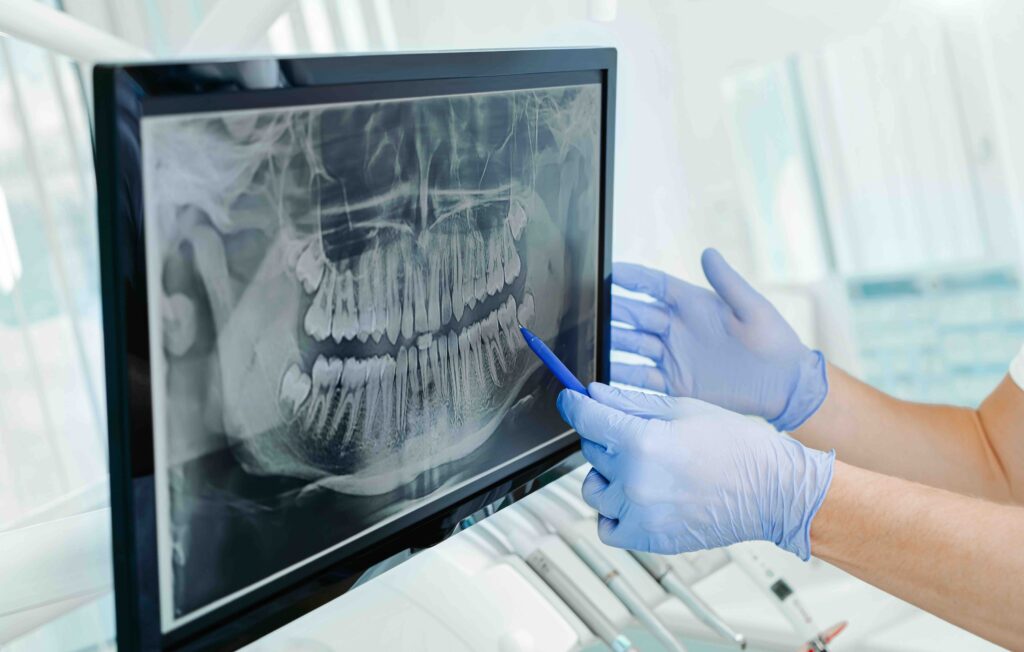
If you have been researching tooth replacement, you have probably noticed that Dental Implants Calabasas CA implant pricing can feel frustratingly vague. One office quotes a few thousand dollars, another gives a broader range, and a third says the real answer depends on bone quality, gum health, sedation, and the type of restoration. All of that is true, but it does not help much when you are trying to budget for treatment.
For patients looking into Dental Implants Calabasas CA, the most useful approach is to break the price into its real components and understand what drives the final number up or down. That is how dentists think about it, and it is also how patients can compare estimates without getting misled by a headline fee that leaves out essential steps.
Dental implants are not a commodity. They are a sequence of procedures and custom-made parts, delivered over several months, with long-term function and appearance at stake. In a community like Calabasas, where patients often place a high value on aesthetics, comfort, and convenience, treatment plans tend to be tailored rather than one-size-fits-all. That is one reason prices vary. Another is that some mouths are straightforward, while others need preparatory work before an implant can be placed safely.
The short answer is that a single dental implant in Calabasas often falls somewhere in the range of several thousand dollars when you include the implant post, abutment, and final crown. In many cases, patients see total fees in the ballpark of $3,500 to $7,000 per tooth, and sometimes more if bone grafting, sinus work, extraction, temporary restorations, or sedation are needed. Full-arch cases can climb far beyond that. The exact number depends on what your mouth needs, who is providing treatment, and what level of materials and planning is being used.
Why prices can vary so much from one patient to another
A patient who lost a tooth years ago and has healthy gums, solid bone, and a stable bite is very different from someone who needs an extraction, has advanced bone loss, clenches at night, and wants the front tooth matched perfectly to adjacent natural teeth. Both people may say they need an implant, but the work involved is not remotely the same.
Location also matters. Calabasas is part of a high-cost professional market. Rent, staffing, laboratory partnerships, technology, and specialist collaboration all shape fees. That does not automatically mean treatment is overpriced. It often means the overhead behind a polished, well-run practice is substantial. Patients are not just paying for a screw placed in bone. They are paying for diagnostics, sterilization, trained staff, surgical judgment, restorative planning, and follow-up care.
There is also a difference between offices that perform implant treatment routinely and those that place only a limited number of implants each year. Experience usually affects both fee structure and case selection. A clinician who handles complex cases regularly may charge more, but may also catch problems earlier, sequence treatment more carefully, and avoid expensive complications later.
What a dental implant fee usually includes
When patients hear "implant cost," they often assume that number covers the entire process. Sometimes it does. Often it does not. That is where confusion starts.
A complete implant case typically includes several separate elements. The implant itself is the titanium or zirconia fixture placed into the jawbone. Above that is the abutment, which connects the implant to the visible tooth. The final crown is the part you chew with and smile with. Beyond those three essentials, there are diagnostics, imaging, planning, surgical supplies, follow-up visits, and sometimes provisional restorations.
Here are the parts most commonly involved in the total fee:
- Consultation and diagnostic records, often including digital X-rays and a cone beam CT scan
- Surgical placement of the implant fixture
- Healing cap or cover screw, depending on the stage of treatment
- Abutment and custom or stock restorative components
- Final implant crown, bridge, or denture attachment system
That list sounds simple, but every line item can vary in complexity. A crown in the back of the mouth with limited cosmetic demands is not the same as a crown replacing a front tooth in a patient with a high smile line. In anterior cases, shape, shade, gum contour, and symmetry become major factors. That often means more planning time, higher-end lab work, and more appointments.
The hidden cost drivers patients should ask about
The largest swing factors are usually not the implant itself. They are the conditions around it.
Bone grafting is one of the most common add-ons. If a tooth has been missing for a while, the bone often shrinks in both width and height. An implant needs enough healthy bone to achieve stability. A modest graft may add several hundred to a couple thousand dollars. A more involved graft, especially one using membranes or particulate bone in a challenging site, can cost more.
Extractions can also change the budget. Some teeth come out easily. Others are fractured, infected, or buried under gum and bone. When an extraction is complex, it becomes a surgical procedure in its own right. If the site is grafted immediately to preserve bone for a future implant, the total rises again.
Sinus lifts are another common variable for upper back teeth. The sinus floor in the posterior maxilla sometimes leaves too little bone for an implant. A sinus augmentation creates room for safe placement. Patients are often surprised by this step, but it is not unusual. It is one of those procedures that can make the difference between an implant that has long-term support and one that never had enough bone to begin with.
Temporary teeth matter too. In visible areas, patients often do not want to walk around with a gap during healing. A provisional flipper, temporary bridge, or temporary implant-supported tooth may be recommended. Those restorations improve appearance and confidence, but they also affect the final bill.
Sedation is another consideration. Some patients do very well with local anesthetic alone. Others prefer oral sedation or IV sedation, particularly for multiple implants or longer procedures. Sedation can make treatment dramatically easier, but it is usually charged separately unless bundled into a surgical package.
Typical price ranges in Calabasas
Every office sets fees differently, and there is no honest way to give an exact universal price. Still, realistic ranges help.
For a single straightforward implant in Calabasas, many patients can expect something like this:
| Treatment component | Common local range | |---|---:| | Consultation and CBCT imaging | $150 to $500 | | Surgical implant placement | $1,500 to $3,500 | | Abutment | $500 to $1,500 | | Implant crown | $1,200 to $2,500 | | Bone grafting if needed | $500 to $3,000+ |
In a simple case, the total may land near the lower end of the broader range, roughly $3,500 to $5,000. In a more involved case, especially one needing extraction, grafting, temporaries, or advanced cosmetic customization, the total may move into the $6,000 to $8,000 range or beyond.
For implant bridges, implant-supported dentures, or full-arch options such as fixed arches supported by four or more implants, costs can rise sharply. It is not unusual for a single arch of implant-supported teeth to cost tens of thousands of dollars. That sounds steep until you understand the amount of surgery, laboratory work, planning, and prosthetic precision involved.
A lower quote is not always a better deal
This is one of the most important realities patients discover after the fact.
A low advertised implant fee may refer only to the surgical placement of the fixture. It may not include the crown, the abutment, imaging, sedation, grafting, or specialist involvement. That does not make the ad dishonest on its face, but it can be misleading if you assume the number reflects a completed tooth.
There is also the matter of materials and laboratory quality. Implant dentistry depends on precise fit. Cheap parts can create problems with screw loosening, crown fracture, gum irritation, or poor aesthetics. Revisions are expensive. They also cost time, discomfort, and trust.
I have seen patients who chose the lowest bid for a front-tooth implant and ended up paying more to correct the color mismatch, tissue recession, or awkward tooth shape. A front implant is not just a missing tooth replacement. It is a small prosthetic system sitting in one of the most visible parts of the face. If the gum line is off by a millimeter, people notice. If the crown looks too opaque or too long, patients notice every day.
That does not mean the highest fee is automatically justified either. A thoughtful estimate should explain what is included, why each step is recommended, and what alternatives exist. Clear communication is often a better sign of value than a flashy office or a bargain number.
Specialist versus general dentist, and how that affects fees
In Calabasas, patients may receive implant care from a general dentist, an oral surgeon, a periodontist, or a team approach that includes more than one provider. Each model can work well when the clinicians are experienced and coordinate carefully.
A general dentist who both places and restores implants may offer convenience and continuity. In straightforward cases, that can be an excellent option. A specialist-based model, where the surgeon places the implant and the restorative dentist handles the crown, may cost more because two offices are involved, but it can be especially useful for difficult anatomy, severe bone loss, or highly visible cosmetic zones.
Fees often reflect not just credentials, but complexity management. Patients sometimes focus on whether a provider is "more expensive" without looking at what the provider is solving. If your case involves thin tissue, a collapsed ridge, a deep bite, or nighttime grinding, technical judgment matters.
Insurance coverage and financing
Dental insurance can help, but it rarely covers the full cost of implant treatment. Some plans contribute toward extractions, grafting, or the crown portion while excluding the implant fixture itself. Other plans now offer limited implant benefits, but annual maximums still cap the amount. A benefit of $1,500 to $2,000 does not go very far in a case that totals several thousand dollars.
Medical insurance sometimes enters the picture in unusual circumstances, such as trauma, pathology, or medically necessary reconstructive treatment, but that is not the norm for routine missing teeth.
Most implant offices in Calabasas offer financing options through third-party lenders or in-house phased treatment arrangements. Because implant therapy unfolds over months, some practices split fees by stage, for example diagnostic planning, surgery, then final restoration. That can make treatment more manageable even without formal financing.
Patients should ask for a written breakdown and not just a grand total. When the estimate is itemized, it becomes much easier to compare one office to another.
The timeline affects cost more than people expect
Another source of sticker shock is the number of appointments over time. A single implant is rarely a one-visit fix.
After diagnostics and planning, there may be an extraction and grafting phase. Then a healing interval. Then implant placement. Then more healing, often several months while the implant integrates with bone. Then impressions or digital scans for the crown, followed by delivery and bite adjustments.
Each phase involves chair time, clinical oversight, and sometimes additional materials. Immediate implants and immediate temporization can shorten the visible gap, but they do not magically remove the biological healing process. If anything, they require stricter case selection and greater precision.
From a patient perspective, the timeline can feel long. From a clinical perspective, that time is often what protects the investment.
When an implant may cost more, but still make financial sense
Compared with a removable partial denture or even some bridgework, implants often carry a higher upfront price. That is undeniable. But the long-term comparison is more nuanced.
A traditional bridge may require reducing neighboring teeth. If those teeth are healthy, that is a meaningful trade-off. A removable appliance is less expensive initially, but many patients dislike the movement, bulk, or effect on speech. Dentures can also accelerate bone loss over time, which changes facial support and fit.
An implant helps preserve bone in the area where the tooth root once was. It also avoids leaning on adjacent teeth for support. For many patients, especially those replacing one or two missing teeth, that can make the higher initial fee easier to justify.
There is also the quality-of-life factor. Patients who have struggled to chew on one side, hide a missing premolar when they laugh, or deal with a loose lower denture often describe the value of stable teeth in very practical terms. They eat more comfortably. They stop thinking about the gap. They smile without rehearsing it.
Questions worth asking during a consultation
A consultation should leave you with more clarity, not more confusion. The right questions can quickly reveal whether the estimate is complete and whether the office has thought through your case carefully.
Ask these five questions before committing:
- Does the quoted fee include the implant, abutment, crown, imaging, and follow-up visits?
- Will I need bone grafting, sinus augmentation, or a temporary tooth?
- Who is placing the implant and who is making the final restoration?
- What implant system and lab will be used, and why?
- What happens if healing takes longer than expected or a component needs to be remade?
The fifth question is underrated. Biology is not perfectly predictable. A graft may need more healing time. Soft tissue may require refinement. A temporary may break if a patient bites into something hard too early. Knowing how a practice handles those situations can tell you a lot about both professionalism and final value.
Cosmetic cases in Calabasas often require a different level of planning
Calabasas patients often care deeply about natural appearance, and rightly so. In visible areas, especially upper front teeth, implant treatment is as much about soft tissue architecture as it is about replacing the tooth itself. That usually means digital planning, careful implant angulation, custom healing contours, and close communication with the dental laboratory.
This is where treatment can become more expensive, and also where the money tends to go toward things that matter. A front-tooth implant that looks flat, gray at the gum line, or asymmetrical will bother a patient every single day. Fixing those problems after the fact is much harder than planning well from the beginning.
Sometimes the best clinical recommendation is not immediate placement, even when the patient wants speed. If infection is present or the bone walls are compromised, delaying placement and rebuilding the site first may produce a better aesthetic result. That can lengthen the timeline and raise cost, but it may also prevent a lifelong cosmetic compromise.
Full-arch treatment deserves especially careful budgeting
People exploring implant-supported full arches are often presented with dramatic before-and-after photos and big promises. Some of those results are excellent. Some marketing is more aggressive than careful.
A full-arch quote should spell out whether it covers extractions, temporary fixed teeth, final prosthesis, sedation, grafting, maintenance, and what kind of final material is being delivered. A provisional acrylic bridge and a final zirconia bridge are not the same product, and the difference shows up in both fee and durability.
If you are comparing full-arch treatment among offices, make sure you are comparing the same endpoint. One proposal may reflect only the surgical day and temporary teeth, while another includes the definitive restoration months later. On paper those quotes may look wildly different, but they may not be describing the same thing.
How to judge value, not just price
The cheapest route is not always reckless, and the most expensive route is not always superior. The goal is to identify value. In implant dentistry, value usually comes from three things: sound diagnosis, precise execution, and a restoration that functions well for years.
Look for signs of thoughtful planning. Did the provider review a 3D scan with you? Did they explain why your bite matters? Did they discuss tissue thickness, grinding habits, or the condition of neighboring teeth? Those details often separate a custom Dental Implants Calabasas CA treatment plan from a generic sales pitch.
Pay attention to how clearly the office communicates postoperative expectations too. Patients should know how long healing may take, what foods to avoid, whether a night guard might be necessary, and how implant maintenance works. Implants do not decay, but the surrounding tissues can still become inflamed or lose support if hygiene is neglected.
The real bottom line for Dental Implants Calabasas CA
For most patients researching Dental Implants Calabasas CA, the realistic expectation is that a single completed implant tooth commonly costs several thousand dollars, and more if the site needs reconstruction or the cosmetic demands are high. That can feel substantial, because it is. But the number makes more sense once you see the treatment as a sequence of diagnostics, surgery, healing, prosthetics, and long-term maintenance rather than a single item with a simple sticker price.
The best estimate is the one that is transparent. It shows what is included, explains what may change, and reflects your anatomy instead of a generic average. If you are comparing offices in Calabasas, ask for itemized pricing, ask what happens if additional procedures are needed, and ask to see how they plan cases similar to yours. A carefully done implant can last many years and feel remarkably close to a natural tooth. That is why patients pursue them, and why the right way to think about cost is not just what you spend on day one, but what result you are buying for the long run.
Oaks Dental
5000 Parkway Calabasas, Suite 308
Calabasas, CA 91302, United States
Phone: +1 (818) 412-8349
FAQ About Dental Implants Calabasas CA
How much does a dental implant cost in California?
Costs vary with the number of teeth replaced, restoration type, imaging, and any extractions or bone grafting. Request an itemized estimate after an examination; a single advertised price may not include every treatment stage.
Can people with autoimmune disease get dental implants?
Some people may qualify, but the condition, medications, oral health, and healing risks require individual assessment. Share your medical history with your dentist, who may coordinate with your treating physician.
Can you have dental implants if you have osteopenia?
Osteopenia does not by itself establish whether implants are suitable. Your dentist must evaluate jawbone support and review bone-related medications and other risks before recommending treatment.