Invisalign Calabasas CA for Mild to Complex Alignment Issues
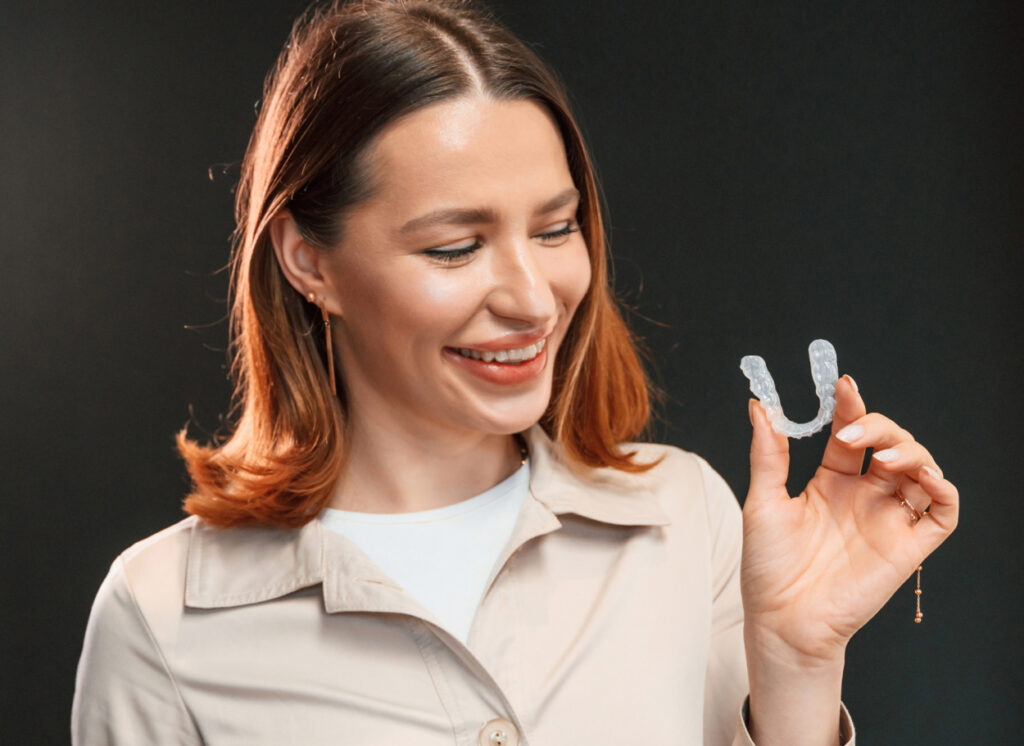
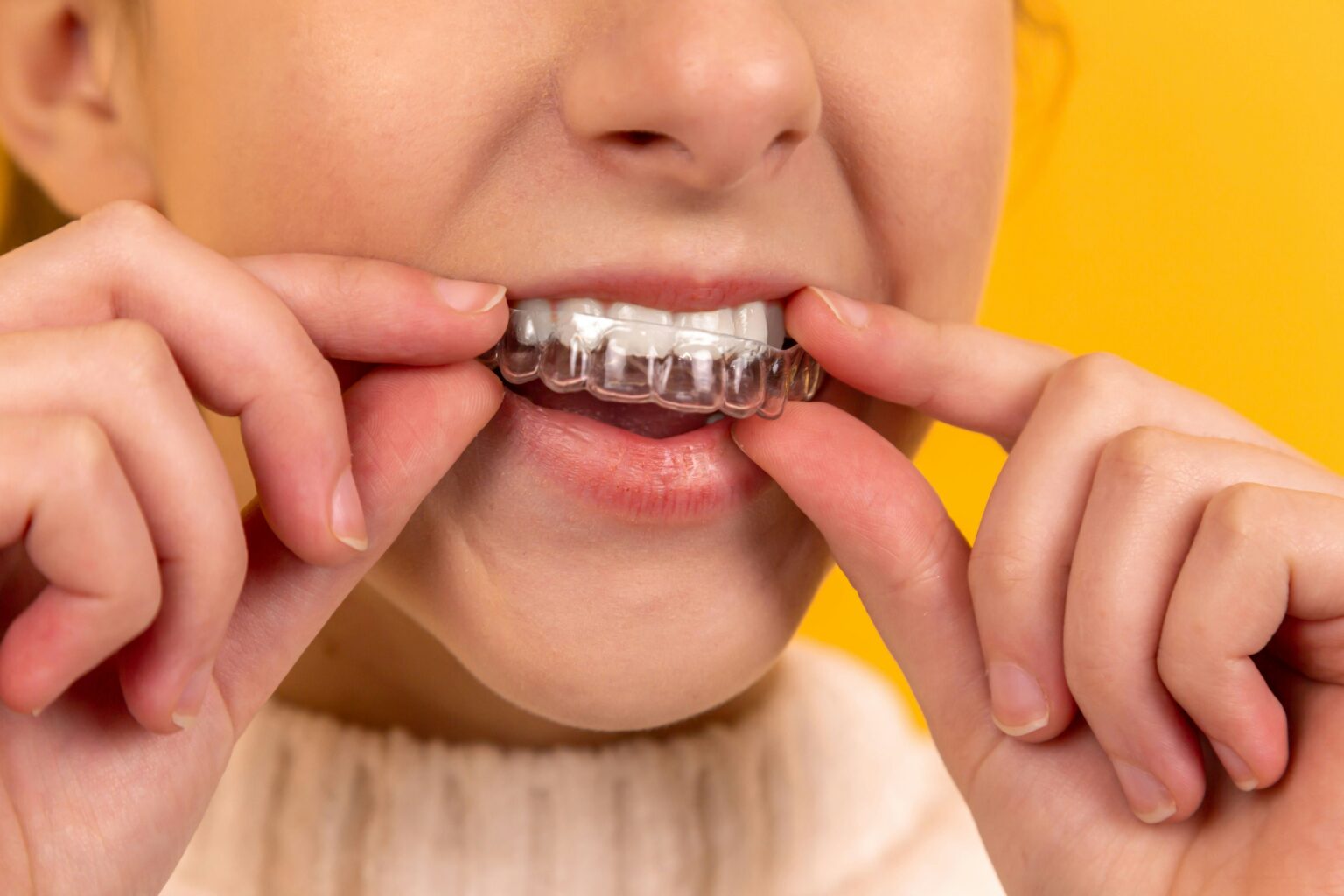
A straight smile rarely starts with vanity alone. In practice, people usually walk into an orthodontic office because something feels off in daily life. They bite the inside of their cheek. Food traps around crowded lower teeth. A front tooth has shifted after years without a retainer. Their teen refuses metal braces. Or they finally notice that their bite has changed enough to affect comfort, speech, or confidence. For many of those patients, Invisalign can be a practical solution, not just a cosmetic one.
Invisalign Calabasas CA treatment often appeals to adults and teens who want a lower-profile orthodontic option, but the larger story is about versatility. Clear aligners can address a surprisingly broad range of concerns, from a mild relapse after previous braces to more involved bite and spacing problems. That said, not every case should be treated the same way, and not every smile moves on the same schedule. The difference between a smooth experience and a frustrating one usually comes down to case selection, planning, attachment design, patient habits, and close monitoring.
Why mild cases are not always simple
There is a common assumption that a minor cosmetic tweak should be quick and effortless. Sometimes that is true. If a patient has one slightly rotated lateral incisor or a small lower crowding issue, treatment may be relatively straightforward. But mild-looking cases can hide complicated mechanics.
A small overlap in the front can reflect a deeper space problem in the arch. A patient with a tiny visible gap may also have a tongue posture habit that tends to reopen spaces after treatment. A person who only wants to straighten the top front teeth may discover that doing so without coordinating the bite would create new interference when chewing. What looks minor in the mirror can involve precise staging behind the scenes.
This is one reason an experienced provider spends time on records and planning. Digital scans, bite analysis, and a discussion of goals matter just as much in a modest case as they do in a more complex one. In some situations, the best treatment is not the shortest plan. It is the plan that protects the bite and gives the result the best chance of lasting.
What Invisalign actually treats
Clear aligners are well suited for many alignment and bite concerns when the treatment is properly designed. They are commonly used for crowding, spacing, relapse after braces, narrow arches, overbite, underbite, crossbite, and open bite. The range is broader than many people realize.
The key issue is not whether a condition has a label that sounds complex. It is whether the necessary tooth movements are predictable with aligners, whether auxiliaries may be needed, and whether the patient is likely to wear the trays as directed. Tooth movement is biology and mechanics, not magic. A virtual treatment setup can look clean and elegant on a screen, but Invisalign Calabasas CA the mouth still has to cooperate.
For example, tipping a tooth is generally easier than bodily moving it through bone. Closing a small space is different from correcting a deep bite with significant lower crowding. Rotating rounded teeth can be stubborn. Extruding a tooth, which means pulling it slightly into view, may require more control than a patient expects. This is why treatment plans that look similar to a layperson can differ greatly in duration and difficulty.
The Calabasas patient profile is often more demanding than average
Invisalign is popular in communities where patients want discretion and efficiency, and Calabasas fits that pattern. Professionals who speak frequently in meetings, parents balancing work and school schedules, actors, creators, and teens involved in sports or performance often want orthodontic treatment that blends into daily life. Convenience matters, but expectations also tend to be high.
That is not a problem when those expectations are realistic. It becomes a problem when marketing has led people to believe that every case can be solved in a few trays with no attachments, no refinements, and no need for disciplined wear. In a real clinical setting, excellent Invisalign results usually come from collaboration. The provider builds a sound plan. The patient wears the aligners consistently, often about 20 to 22 hours a day. Adjustments are made as teeth respond.
Patients in Calabasas also tend to be highly aware of aesthetics during treatment, not just at the end. They care about whether attachments will show on certain teeth, whether aligners affect speech during presentations, and whether treatment can accommodate travel. Those details should be discussed openly. Good planning is not only about moving teeth. It is about fitting care into a real life.
How treatment differs between mild, moderate, and complex cases
A truly mild case may focus on limited crowding, small spacing, or relapse after prior orthodontics. The aligner sequence might be shorter, attachments may be minimal, and the main objective is refinement of alignment without major bite correction. Even then, retention planning is essential because mild relapse often reflects a tendency for teeth to drift.
Moderate cases usually involve multiple movements at once. A patient may need several teeth aligned while also correcting the way the upper and lower arches fit together. The plan may include interproximal reduction, which is a conservative polishing between teeth to gain tiny amounts of space, as well as elastics to guide the bite. These cases often need more frequent evaluation because tracking becomes more critical as the number of active movements increases.
Complex cases can absolutely be treated with Invisalign in the right hands, but they demand deeper judgment. Severe crowding, pronounced bite discrepancies, arch coordination issues, or previously treated mouths with unusual movement patterns all require careful sequencing. Complex does not automatically mean surgery or braces, but it does mean the provider should be candid about trade-offs. Some cases need longer treatment. Some need a hybrid approach. Some may start with aligners and later benefit from limited braces on a few teeth for finishing precision.
One of the most useful conversations a patient can have is not, “Can Invisalign do this?” but rather, “What is the most predictable way to reach a healthy, stable result in my case?”
Attachments, elastics, and refinements are not signs of failure
Patients sometimes worry when they hear that their treatment includes attachments or elastics. They imagine that clear aligners are supposed to be invisible and simple from start to finish. In reality, those tools are often what make aligner treatment effective.
Attachments are small tooth-colored shapes bonded to certain teeth so the trays can grip and guide movement more precisely. They may help with rotations, root control, intrusion, extrusion, or more complex directional forces. Elastics can help coordinate the bite, especially in cases involving overbite, underbite, or crossbite tendencies. Refinements, which are additional aligners ordered after the initial series, are also common. Teeth do not always track exactly as projected on the first pass, particularly in more involved cases.
In a well-run practice, refinements are part of thoughtful finishing, not a surprise detour. An experienced provider expects biology to vary. The goal is not to force every mouth into a rigid timeline. The goal is to respond carefully and finish well.
Daily wear makes or breaks the result
No technology can substitute for compliance. This is the blunt truth behind almost every disappointing aligner story. When trays are worn inconsistently, teeth do not track as planned. Small discrepancies accumulate. A patient may feel that a tray is suddenly too tight, or they may start changing aligners on schedule without realizing the teeth have not fully seated into the previous tray. By the time the issue is visible, several stages may be off.
In practical terms, the most successful Invisalign patients build routines rather than relying on motivation. They keep their case with them, brush after meals when possible, and use chewies or seating aids if instructed. They do not leave trays out during long lunches, coffees, or late-night snacking. It sounds simple, yet those habits separate efficient treatment from prolonged treatment.
A teen can do beautifully with Invisalign when parents and provider set clear expectations. Adults often assume they will be more compliant, but busy schedules can be just as disruptive. Frequent travel, social events, and flexible workdays sometimes create more inconsistency than a school routine does.
Common problems that can still be treated well with aligners
The phrase “mild to complex” covers a lot of ground, so it helps to look at how these cases show up in everyday practice. A patient in their 30s may have had braces in high school and now notices lower front crowding because they stopped wearing retainers years ago. That is a classic Invisalign case. Another patient may have a deep overbite that causes wear on the lower incisors. That can often be addressed with aligners, but it requires real bite correction, not just cosmetic alignment.
Spacing cases are often underestimated. Closing gaps is not just about bringing teeth together. The provider has to consider tooth proportions, root position, gum support, and relapse risk. If a gap exists because of missing teeth, undersized teeth, or a strong frenum attachment, long-term planning may involve restorative work or bonded retention. A beautiful closed space is only useful if it stays closed.
Crossbites and posterior bite issues can also respond well to aligners in selected cases. Here again, diagnosis matters. Is the crossbite dental, skeletal, or both? Is expansion appropriate? Is the patient still growing? Is there a functional shift when they close? These are not details a patient can sort out from online photos. They require clinical judgment.
When braces may still be the better choice
A balanced discussion Invisalign Calabasas CA has to include the cases where Invisalign is not ideal, or at least not ideal as a stand-alone treatment. There are situations where fixed braces offer more efficient control, especially if significant vertical movement is needed, if compliance is doubtful, or if the case involves unusual anatomy or restorative constraints.
This does not mean aligners are weak. It means different tools have different strengths. If a patient wants the least visible option no matter what, a provider can explain what that preference may cost in treatment length or complexity. Sometimes the best compromise is short-term braces followed by aligners for finishing. Sometimes the reverse works better. A thoughtful orthodontic plan is not built around brand loyalty. It is built around predictability and health.
What a consultation should clarify
A worthwhile consultation should leave the patient with a clear understanding of both possibility and process. The most useful questions are often practical:
- What exactly is being corrected, alignment only or the bite as well?
- How many months is realistic for a case like mine, including refinements?
- Will I need attachments, elastics, interproximal reduction, or retainers afterward?
- What happens if my teeth do not track as expected?
- Is Invisalign the most predictable option for me, or simply the most discreet?
Those questions quickly reveal whether the conversation is grounded in clinical reality. A strong provider does not rush past complexity to make treatment sound easier than it is.
The role of technology, and its limits
Digital scanning has improved the patient experience dramatically. It is cleaner, more comfortable, and more precise than old-fashioned impressions in many cases. Simulation software can also help patients visualize planned changes, which improves communication and case acceptance. For Invisalign Calabasas CA patients who value efficiency, this technology is genuinely useful.
Still, software is a planning tool, not an outcome guarantee. Teeth are attached to bone by living ligament tissue. Bone remodels at different rates. Some teeth are more stubborn than others. Restorations, wear patterns, clenching habits, and periodontal history all influence movement. A good treatment plan uses technology without becoming overconfident because of it.
One pattern seen in practice is the patient who has tried direct-to-consumer aligners or unsupervised cosmetic tray systems before seeking professional care. The common complaint is that the front teeth look a little straighter, but the bite feels worse or the result never held. That happens because appearance is only part of orthodontics. Teeth need to fit, function, and remain stable.
Retention is part of treatment, not an afterthought
Few orthodontic truths are more important than this one: teeth want to move. They move with age, with habits, with pressure from the lips and tongue, and sometimes simply because the original crowding pattern has a biological pull. Retainers are not optional in the long term if the patient wants to preserve the result.
For some patients, clear removable retainers are enough, especially if they are consistent. For others, a bonded retainer behind the front teeth adds security, often combined with a removable nighttime retainer. The right choice depends on the original malocclusion, the quality of the finish, the patient’s habits, and whether there are risk factors for relapse.
People are often surprised that the lower front teeth are especially prone to shifting over time. That surprise usually comes from not being told clearly after previous treatment, or from underestimating how permanent retention needs to be. The retainers may not need to be worn full-time forever, but they do need to remain part of life.
Cost, value, and what patients should compare
Cost matters, but sticker price alone can be misleading. When comparing Invisalign treatment plans, patients should consider what is included and how the practice manages complexity. A lower fee can become less attractive if records, refinements, replacement retainers, or prolonged visits are billed separately. On the other hand, a higher fee should come with clear value, not vague promises.
What often matters more than the absolute number is whether the treatment scope matches the patient’s goals. Someone who only wants mild alignment may not need the same level of intervention as a patient correcting a functional bite problem. But a cheaper cosmetic-only plan can be disappointing if the patient later realizes the bite issue was left untouched.
In real decision-making, the best value usually comes from accurate diagnosis, honest forecasting, and attentive follow-up. Orthodontics is one of those services where doing it twice is far more expensive than doing it properly once.
Signs of a healthy treatment process
Patients do not need to understand every technical detail to recognize whether their care is on track. A well-managed Invisalign process usually includes regular monitoring, straightforward explanations, and adjustments when needed rather than denial when something is not tracking. Trays should seat progressively, not become a constant struggle. Discomfort should be manageable and temporary, not severe and ignored. The bite may feel different as teeth move, but it should be monitored carefully so the final result is functional as well as attractive.
Here are a few signs that the process is being handled well:
- goals are explained in terms of both appearance and bite
- changes in the plan are discussed openly
- refinement aligners are framed as normal when clinically needed
- retention is discussed early, not only at the final visit
- the provider checks tracking, attachment condition, and bite fit consistently
That level of attention is especially important in moderate and complex cases, where a few small issues can compound if they are not caught early.
A realistic view of results
Invisalign can deliver excellent outcomes across a broad spectrum of cases. Patients with mild crowding often appreciate how discreet and manageable the process feels. Patients with more involved problems can benefit from a treatment approach that is sophisticated, customizable, and compatible with adult life. But the strongest results come from realism, not wishful thinking.
Realism means accepting that some trays will feel tight, that attachments may be necessary, that treatment may include refinements, and that retainers are part of the bargain. It also means understanding that “complex” does not automatically mean “not possible,” just as “mild” does not always mean “quick and easy.”
For patients considering Invisalign Calabasas CA treatment, the most important step is not scrolling through before-and-after galleries. It is sitting down with a qualified provider who can explain what your teeth are doing now, what movement is biologically reasonable, and what path offers the best mix of aesthetics, function, and stability. When that conversation is honest and detailed, clear aligners can be an excellent option, whether the goal is a subtle refinement or a far more comprehensive correction.
Oaks Dental
5000 Parkway Calabasas, Suite 308
Calabasas, CA 91302
(818) 643-6521
FAQ About Invisalign Calabasas CA
How many hours a day should I wear Invisalign?
Clear aligners are typically worn for 20 to 22 hours a day. Follow your dentist’s instructions for your specific treatment plan.
What age is best for Invisalign?
Many teens and adults can use clear aligners. A dentist can assess dental development, oral health, and the type of tooth movement needed.
What affects the cost of Invisalign in California?
Cost depends on the complexity and length of treatment and what the quoted plan includes. Ask for an itemized estimate and check any orthodontic coverage with your insurer.