Benefits of Getting Dental Implants in Calabasas CA
Losing a tooth changes more than a smile. It alters the way food feels in your mouth, the way certain words land, and often the way you carry yourself in conversations. Many people can manage around a gap for a while, especially if it is in the back. Then the small compromises begin to add up. You chew on one side. You skip steak, apples, or crusty bread. You smile with your lips closed in photos. Over time, the missing tooth becomes less of a single dental issue and more of a daily quality-of-life problem.
That is why dental implants have become such a valuable option for patients who want a long-term fix rather than a temporary patch. For people considering Dental Implants Calabasas CA, the appeal is not just cosmetic. The real benefits reach into comfort, function, bone health, confidence, and even convenience years down the line.
Calabasas also brings its own context. Patients here often want treatment that looks natural, fits a busy schedule, and holds up in both professional and social settings. They are not just asking, “Can this space be filled?” They are asking, “Will this feel like my own tooth? Will it age well? Will it let me stop thinking about the problem?” Those are the right questions, because the best implant treatment should make the tooth replacement fade into the background of life.
Why implants feel different from other tooth replacement options
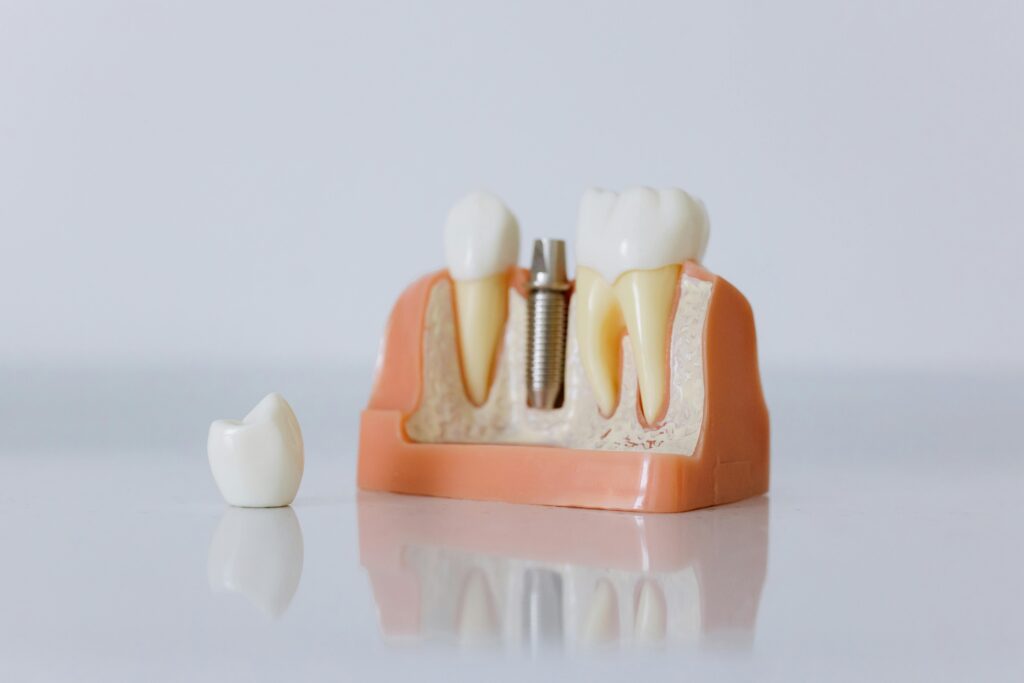
A dental implant replaces the root of a missing tooth, not just the visible crown. That distinction matters. A bridge spans the space by relying on neighboring teeth. A removable partial denture sits on top of the gums and comes in and out. An implant is placed in the jawbone, where it heals and integrates with the bone over time, then supports a custom restoration above the gumline.
From a patient’s perspective, this usually translates into a more stable, more natural experience. There is no acrylic plate shifting slightly while you eat. There are no metal clasps showing when you laugh. There is no need to reduce adjacent healthy teeth just to anchor a replacement. Once treatment is complete, many patients describe the result in plain language: it feels secure, it feels normal, and it lets them stop compensating.
That does not mean implants are the right answer in every case. Some people have limited bone volume, untreated gum disease, heavy grinding habits, or medical factors that require planning and patience. But when implants are a good fit, the benefits are unusually broad.
Stronger chewing and better everyday function
One of the most immediate improvements patients notice is the return of dependable bite strength. A missing molar may not seem dramatic until you try to chew evenly. The body adapts quickly, often by overusing one side of the mouth. That adaptation can work for months or years, but it is rarely ideal. It can contribute to uneven wear, jaw fatigue, and a limited diet.
Implants restore support where it is needed. Because they are anchored in bone, they generally provide a level of stability that removable options cannot match. People often return to foods they had quietly given up. Nuts, raw vegetables, tougher proteins, and chewy breads become manageable again. For older adults, this can matter far beyond convenience. When chewing becomes difficult, nutrition often narrows in subtle ways. Softer foods tend to be more processed and less varied. Restoring function can support better eating habits, which in turn affects overall health.
Speech can improve as well, especially when a missing front tooth or an unstable removable appliance has altered the way the tongue meets the teeth. Certain sounds, particularly “s,” “f,” and “v,” depend on precise contact. A well-shaped implant crown often restores that precision with very little conscious effort from the patient.
Preserving jawbone where a tooth is missing
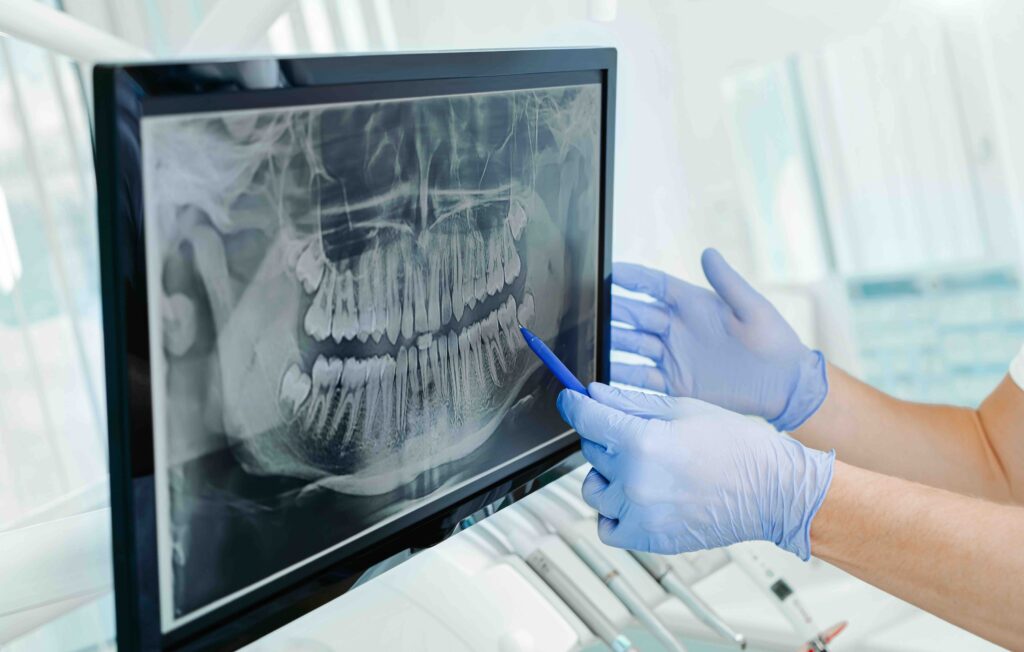
This is one of the least visible but most important benefits of implants. Teeth stimulate the jawbone through everyday chewing forces. When a tooth is lost, that stimulation disappears in that specific area, and the body begins to resorb bone over time. The change is gradual, which is why many people do not realize it is happening. But years after an extraction, the ridge can flatten or shrink significantly.
A bridge does not stop that process in the empty area because there is no root in the bone. A denture generally does not stop it either. An implant, however, occupies the position of the root and can help maintain bone in a way other options do not.
This becomes especially important in the front of the mouth, where bone loss can affect facial support and esthetics. It also matters in the back, where loss of bone can complicate future treatment. I have seen patients who delayed replacing a missing tooth for many years and later needed grafting simply because the space had changed so much. By contrast, patients who addressed the loss earlier often had a more straightforward path.
Bone preservation is not a guarantee against every anatomical change, and some degree of remodeling can still occur. But from a long-term planning perspective, implants are often the most bone-conscious choice available.
A natural look that does not advertise dental work
Most adults do not want their dentistry to be noticed. They want people to see them, not their restoration. When implant treatment is planned carefully, the result can be remarkably natural because the crown emerges from the gumline in a way that resembles a real tooth.
That natural appearance depends on more than the implant itself. It involves the position of the implant, the condition of the surrounding gum tissue, the shape and shade of the final crown, and the management of the Dental Implants Calabasas CA tissue during healing. In esthetic areas, especially upper front teeth, small details matter a great deal. A tooth that is technically “replaced” can still look slightly off if the gum contour is uneven or the crown shape does not suit the neighboring teeth.
This is one area where local experience and careful case selection make a difference. In a place like Calabasas, where patients may be highly attuned to appearance and often spend time in public-facing roles, subtle esthetic outcomes carry real weight. Good implant dentistry is not about making the tooth bright and perfect in isolation. It is about blending the replacement into the existing smile so well that it does not call attention to itself.
Protecting the healthy teeth next door
A traditional bridge can be an excellent treatment in the right situation, but it usually requires reshaping the teeth adjacent to the missing space so crowns can be placed over them. If those neighboring teeth already have large fillings or existing crowns, that may be reasonable. If they are intact and healthy, sacrificing enamel to support a bridge deserves careful thought.
An implant stands independently. It does not need support from the teeth on either side. That can be a major advantage for younger patients and for anyone with otherwise healthy dentition. Preserving natural tooth structure pays dividends over decades. Once a tooth is drilled down for a crown, it begins a new restorative life cycle. Crowns can last many years, but they may eventually need replacement, and each intervention carries its own cost and complexity.
This is one reason implants often make sense as part of long-term conservative care. Although the upfront process can be more involved than some alternatives, it may protect other teeth from becoming part of the treatment equation.
Confidence that reaches beyond appearance
There is a practical side to confidence and an emotional side. The practical side is simple: when a tooth replacement feels stable, people stop checking it with their tongue, worrying that it will move, or arranging their social behavior around it. The emotional side is harder to quantify, but it matters just as much.
A patient who has hidden a missing front tooth for years often changes after replacement in very visible ways. They smile wider. They speak more freely. They stop placing a hand near the mouth when laughing. That is not vanity. It is relief. A secure, natural-looking tooth replacement removes a persistent source of self-monitoring.
Even back teeth can influence confidence. Patients rarely describe a missing molar as a cosmetic problem, yet many feel older or less “put together” because of it. Restoring the space can bring back a sense of completeness that is surprisingly meaningful.
Long-term value, not just upfront cost
Dental implants are not the cheapest way to replace a tooth on day one. Anyone considering them should be told that clearly. There are surgical fees, restorative fees, imaging, and in some cases grafting or sinus augmentation. The timeline may also stretch over several months, depending on healing and case complexity.
Still, judging value purely by initial price often misses the larger picture. A well-maintained implant can serve for many years. It does not require nightly removal, adhesive, or clasps. It does not lean on neighboring teeth. For many patients, the appeal lies in getting a durable solution that reduces the need for future compromises.
A useful way to think about the economics is to separate cost from value. Cost is what you pay at the beginning. Value includes how the tooth functions, how it looks, what maintenance it requires, what it helps you avoid, and how long it predictably serves you. Different patients weigh those factors differently, but the distinction matters.
Here are a few of the practical value points patients often consider:
- Fewer recurring adjustments than many removable appliances
- Less risk of involving adjacent healthy teeth in treatment
- A more natural chewing experience over the long run
- Support for bone in the area of the missing tooth
- High day-to-day convenience once treatment is complete
That does not mean every implant lasts forever or that no maintenance is required. Gum health around implants matters. Bite forces matter. Smoking, uncontrolled diabetes, and clenching can affect outcomes. The point is not perfection. The point is that implants often offer a strong long-range return for patients who want a stable replacement.
Why the local setting matters in Calabasas
People sometimes search for Dental Implants Calabasas CA as if the location were just a pin on a map. It is more than that. Where you receive treatment shapes the experience in practical ways, from consultation quality to follow-up access.
Calabasas patients often have demanding schedules, which makes efficiency important. Coordinated care can save time, especially if the implant planning, placement, and restoration are handled with a clear roadmap. Local follow-up also matters. Implant treatment is not a one-visit event. There are evaluations, healing checks, impression or digital scan appointments, bite adjustments, and periodic maintenance. Being able to return easily for these steps is valuable.
There is also the issue of expectations. Patients in this area frequently prioritize refined esthetics and natural materials. They may compare not just whether a tooth is replaced, but how well the final restoration matches facial features, smile line, and existing teeth. That level of attention is not excessive. It is appropriate, especially in visible areas.
Another local factor is lifestyle. Calabasas includes active adults who hike, work out, network, travel often, and want dental care that does not interfere with routine. For them, the appeal of implants is partly the freedom from removable prosthetics. Once healed and restored, implants generally require the same basic daily care as natural teeth: brushing, cleaning between teeth, and regular professional visits.
The treatment process is more manageable than many expect
Dental Implants Calabasas CAPeople often imagine implant treatment as more dramatic than it usually is. There is surgery involved, yes, but for a single uncomplicated implant, discomfort is often less than patients fear and sometimes comparable to an extraction. The process tends to feel more approachable once it is broken into phases.
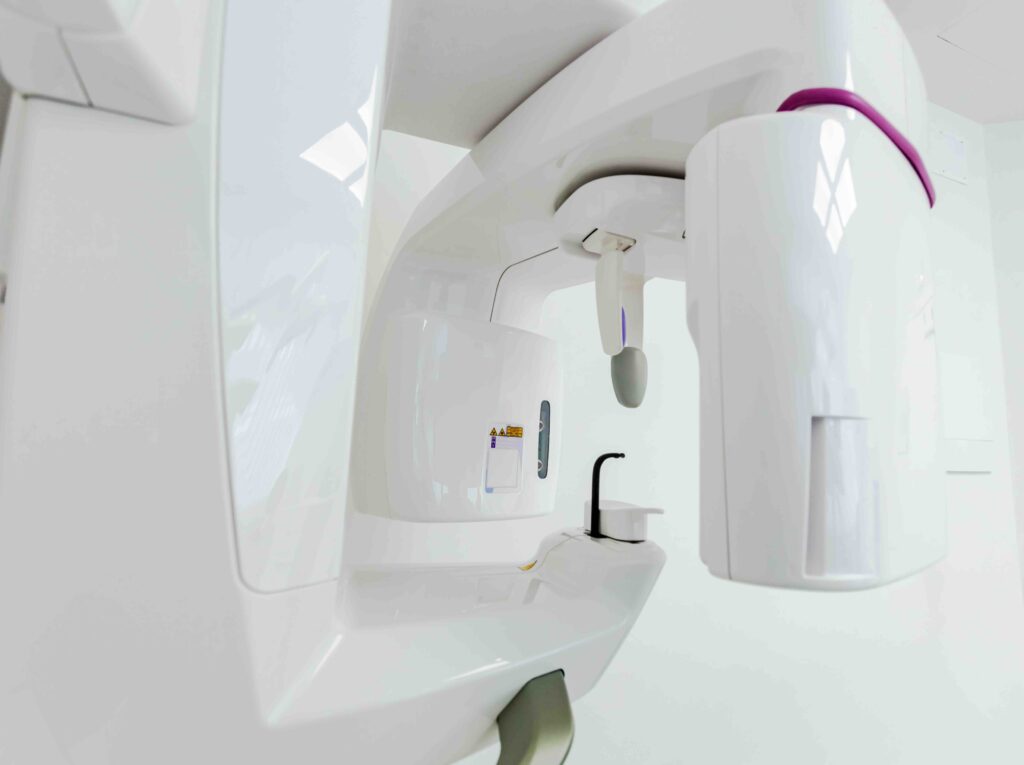
The path usually includes an exam, imaging, and a discussion of bone, gum health, bite, and medical history. If the area is suitable, the implant is placed into the jawbone. Healing follows, during which the bone integrates with the implant surface. After that, the final connector and crown are placed.
There can be variations. Some patients need a bone graft at the time of extraction or implant placement. Some cases allow immediate temporization, especially in the front under the right conditions. Others benefit from more healing time before any visible restoration is made. Judgment matters here. Faster is not always better. The best outcome often comes from matching the timeline to the biology of the case.
A common misconception is that everyone is either a perfect candidate or not a candidate at all. In reality, many patients fall somewhere in the middle. They may need periodontal treatment first, smoking reduction, improved home care, or grafting to create a better foundation. Those are not disqualifiers so much as planning issues.
Situations where implants are especially helpful
Not every missing tooth creates the same level of disruption. Some situations make the advantages of implants stand out more clearly.
A single missing tooth in an otherwise healthy mouth is a classic example. In that scenario, an implant often replaces the tooth without altering the ones beside it, which is a major advantage. Patients who are frustrated with a loose lower denture also tend to see dramatic quality-of-life improvements from implant support. Even two well-placed implants can transform the retention of a lower denture, making eating and speaking far easier.
Front-tooth loss can be another high-impact indication, though these cases demand careful esthetic planning. For someone who has lived with a removable flipper or a visible gap, the change can be life-changing. Multi-tooth spaces can also benefit, either with individual implants or with implant-supported bridges, depending on the anatomy and bite.
The best indication is not just where the tooth is missing, but what the patient wants from the replacement. If the goal is security, longevity, and natural function, implants deserve serious consideration.
A balanced look at the trade-offs
The strongest recommendations in dentistry are usually the most honest ones. Implants have real advantages, but they are not magic and they are not maintenance-free.
Healing takes time. Some cases require grafting. Upfront cost can be significant. Rare complications such as failure to integrate, infection, or esthetic dissatisfaction can occur. Implants can also develop peri-implant inflammation if plaque control is poor or if the restoration is difficult to clean. Patients who grind heavily may need a night guard to protect both natural teeth and implants.
There is also a decision-making trade-off. A bridge may be completed faster in some cases. A removable option may suit a patient who needs a lower initial fee or who is not medically ready for surgery. These options should not be dismissed. Good treatment planning means aligning the solution with the patient’s health, priorities, budget, and tolerance for treatment time.
Still, when patients are good candidates and want the most tooth-like replacement available, implants often rise to the top because they address the problem at its source.
What to ask before moving forward
A productive implant consultation should leave you clearer, not more confused. The right questions help reveal the quality of planning behind the recommendation.
You might ask:
- Am I a good candidate now, or do I need gum treatment or grafting first
- What will the total timeline likely look like in my specific case
- How will the final crown be designed to match my bite and smile
- What are the main risks or limitations you see for me
- What maintenance will help this implant last as long as possible
Those questions do more than gather information. They show whether the discussion is tailored to your mouth rather than delivered from a script. Implant care should feel individualized. Bone volume, gum thickness, bite pattern, and smile line vary from person to person, and treatment should reflect that.
The benefit patients often appreciate most
After all the technical advantages are explained, the benefit many patients value most is simple: normalcy. They do not want to think about the missing tooth anymore. They want to bite into lunch without planning around the gap. They want to smile in a meeting without editing themselves. They want to clean their teeth at night and go on with life.
That is where dental implants often excel. They can restore a sense of completion that feels both physical and psychological. The best implant cases do not just fill a space on an X-ray or on a treatment plan. They remove friction from everyday living.
For anyone exploring Dental Implants Calabasas CA, that is the real promise. Not just a replacement tooth, but a return to steadier function, healthier support for the jaw, and the quiet confidence that comes from not having to work around your dentistry. When treatment is carefully planned and properly maintained, the benefits tend to show up not in one dramatic moment, but in dozens of ordinary moments that simply get easier.
Oaks Dental
5000 Parkway Calabasas, Suite 308
Calabasas, CA 91302, United States
Phone: +1 (818) 412-8349
FAQ About Dental Implants Calabasas CA
How much does a dental implant cost in California?
Costs vary with the number of teeth replaced, restoration type, imaging, and any extractions or bone grafting. Request an itemized estimate after an examination; a single advertised price may not include every treatment stage.
Can people with autoimmune disease get dental implants?
Some people may qualify, but the condition, medications, oral health, and healing risks require individual assessment. Share your medical history with your dentist, who may coordinate with your treating physician.
Can you have dental implants if you have osteopenia?
Osteopenia does not by itself establish whether implants are suitable. Your dentist must evaluate jawbone support and review bone-related medications and other risks before recommending treatment.